
You wake up, look in the mirror, and think: Why is my skin getting darker without sun? You’ve barely stepped outside. No beach days. No harsh sunlight. Yet your tone looks uneven. There’s subtle face darkening, maybe around the cheeks or mouth.
Here’s the truth: darker skin indoors is real — and it’s not always about direct sunlight.
Let’s break down what’s really happening.
Indoor UV Exposure Is Real
Many people ask:
Do you have to be in direct sunlight to tan?
No.
While UVB rays are blocked by glass, UVA rays penetrate through windows. These rays stimulate melanin production, leading to gradual tanning and skin darkening causes — even when you're sitting indoors near a window or driving.
Blue Light From Screens Can Trigger Pigmentation
Your laptop and phone may be contributing to face darkening.

Blue light (HEV light) can stimulate melanocytes — the pigment-producing cells in your skin — especially in melanin-rich skin tones.
If you're wondering,
“Why is my skin getting darker without sun?”
Long screen exposure without antioxidant protection could be one reason.
Hormonal Changes & Internal Triggers
Sometimes the cause is internal.
If you feel like
“My face is getting darker for no reason”,
consider hormonal triggers such as:
-
PCOS
-
Thyroid imbalance
-
Pregnancy (melasma)
-
Stress
Hormones can overactivate melanin production, causing pigmentation even without outdoor sun exposure.
Skincare Habits That Backfire
Ironically, your skincare routine may worsen darker skin.
Common mistakes include:
-
Skipping sunscreen indoors
-
Using retinol or exfoliating acids without SPF
-
Over-exfoliating
-
Damaging your skin barrier

When the barrier weakens, your skin becomes more reactive — leading to uneven tone and pigmentation.
Inflammation & Past Skin Damage
Acne, irritation, or eczema can cause post-inflammatory hyperpigmentation (PIH).

Even after a breakout heals, pigment can linger — creating persistent dark spots.
How to Prevent Skin Darkening While Indoors
✔ Use broad-spectrum SPF 30+ daily
✔ Add antioxidants like Vitamin C and niacinamide
✔ Repair your barrier with hydrating ingredients
✔ Avoid aggressive exfoliation
✔ Treat pigmentation early
Target Pigmentation with Science-Backed Care
If pigmentation has already developed, targeted treatment is essential.
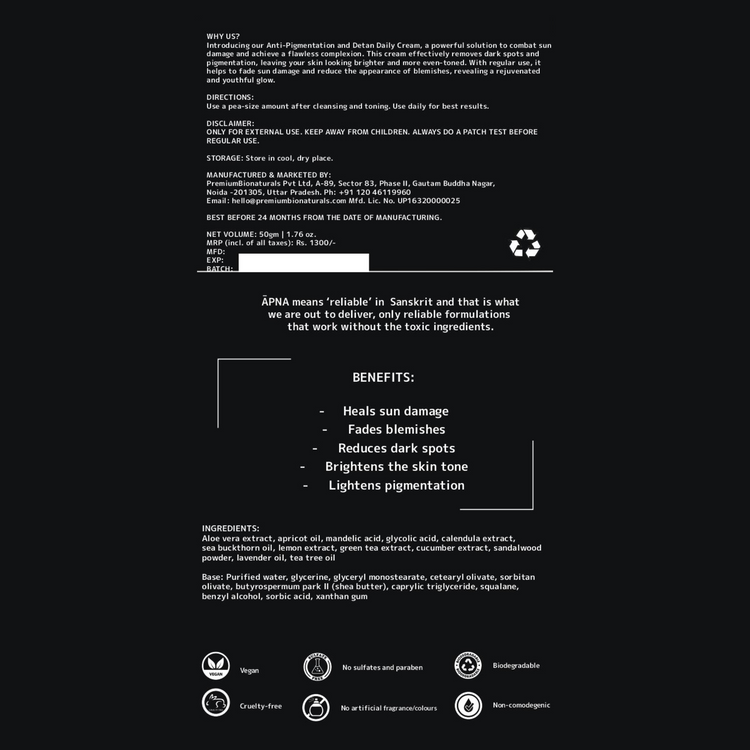
At Premium Bionaturals, our Anti-Pigmentation Science focuses on gentle exfoliation + brightening + barrier repair without harsh bleaching agents.
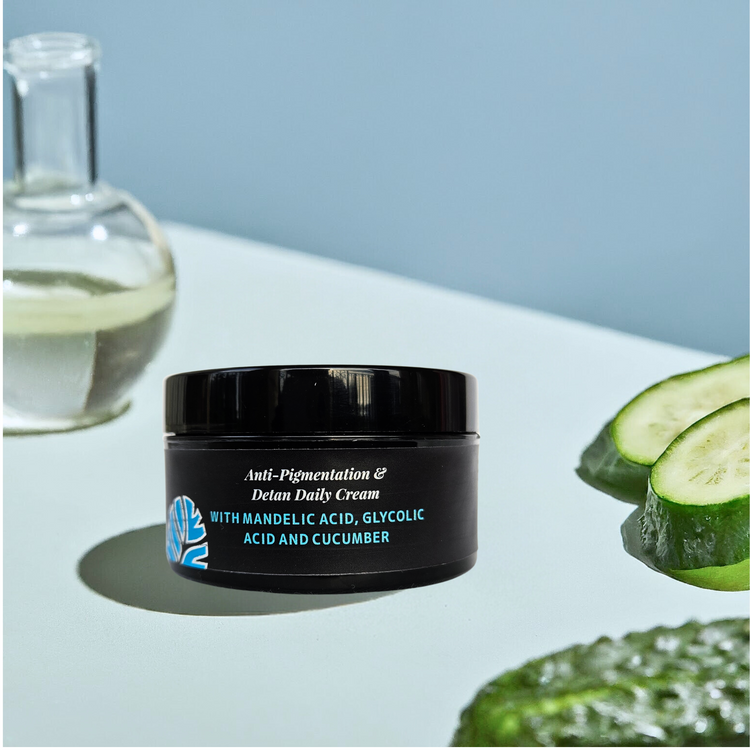
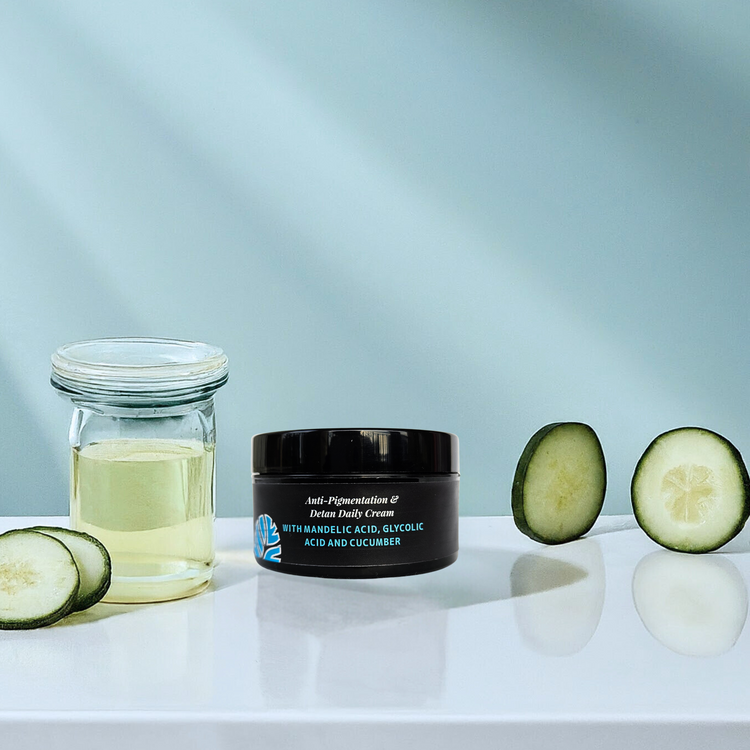
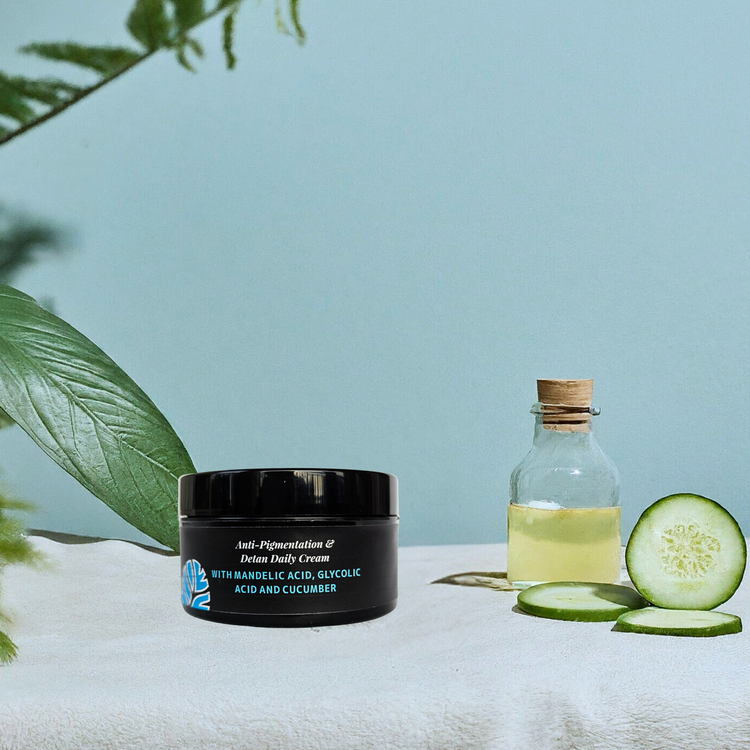
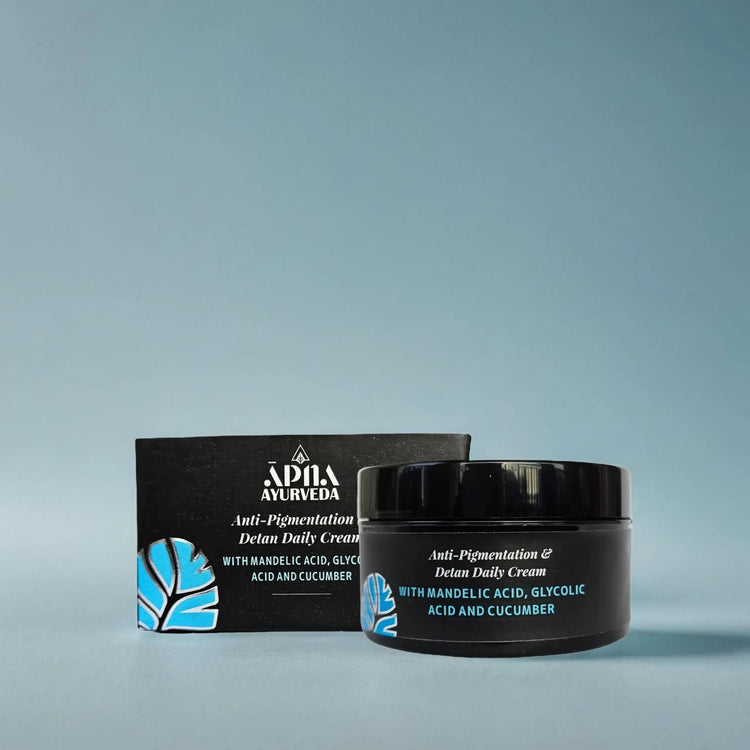
Anti-Pigmentation and Detan Daily Cream
Formulated with:
-
Mandelic Acid – Gently fades pigmentation
-
Glycolic Acid – Boosts cell turnover
-
Cucumber Extract – Soothes and hydrates
Benefits:
-
Heals sun damage
-
Reduces dark spots
-
Brightens uneven tone
-
Nourishes for a healthy glow
👉 Discover the full range in our Anti-Pigmentation Collection.
Start With the Right Cleanser
Before treatment, cleansing matters.

Anti-Pigmentation and Detan Daily Cleanser
Infused with:
-
Tomato Seed Oil – Repairs damaged skin
-
Papaya Extract – Gently removes tan
-
Yuzu Seed Extract – Brightens complexion
Benefits:
-
Removes stubborn tan
-
Improves texture
-
Reduces hyperpigmentation
-
Prevents future dark spots
✨ Explore the complete routine inside our Anti-Pigmentation Collection.
Frequently Asked Questions
1) Do you have to be in direct sunlight to tan?
No. UVA rays pass through glass and can cause gradual tanning indoors.
2) Why is my skin getting darker without sun exposure?
Indoor UV exposure, blue light, hormonal changes, inflammation, and barrier damage are common causes.
3) Can indoor lighting really cause face darkening?
Yes. Blue light from screens can stimulate melanin production over time.
4) Are hormonal issues responsible for darker skin tone?
Yes. Conditions like PCOS and thyroid imbalance can trigger pigmentation.
5) How can I prevent skin darkening while staying indoors?
Wear SPF daily, use antioxidants, avoid over-exfoliation, and strengthen your skin barrier.
6) Does wearing sunscreen indoors help prevent tanning?
Yes. Broad-spectrum SPF protects against UVA rays that penetrate glass.